
Teachers
Training and support for teachers
The Holocaust is a vast subject, and a complex one, some teachers might find it daunting. How should we introduce young people to this atrocity? Despite the challenges, we can help you make this one of the most memorable, impactful and profound learning experiences that you will share as a teacher.
Holocaust Education Ireland’s carefully structured teacher education programmes help you find your way through this complex topic, so you can approach it with confidence as well as competence.
Teachers across a range of subject areas, including English, RE, CSPE, History, Languages, Mathematics, Art, Media Studies and Transition Year, have all benefited from our insightful lectures, seminars, workshops, study visits and practical tuition.

Our Programmes
We have a range of programmes that are available for educators and students to participate in free of charge.
Study Visits
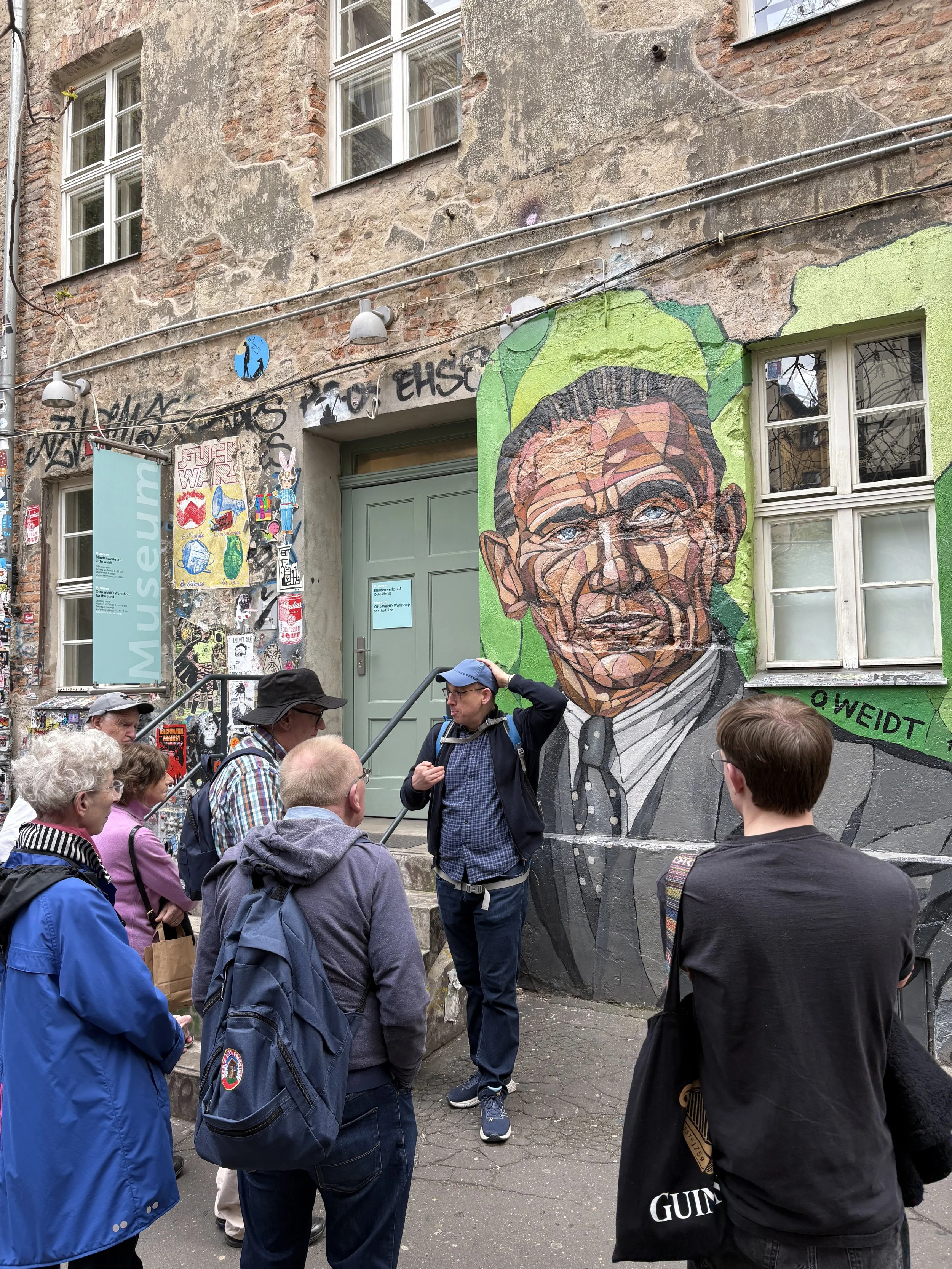
We host two study visits a year, designed to be experiential learning opportunities to aid in learning and teaching about the Holocaust.
CPD The Holocaust Webinar: An Overview
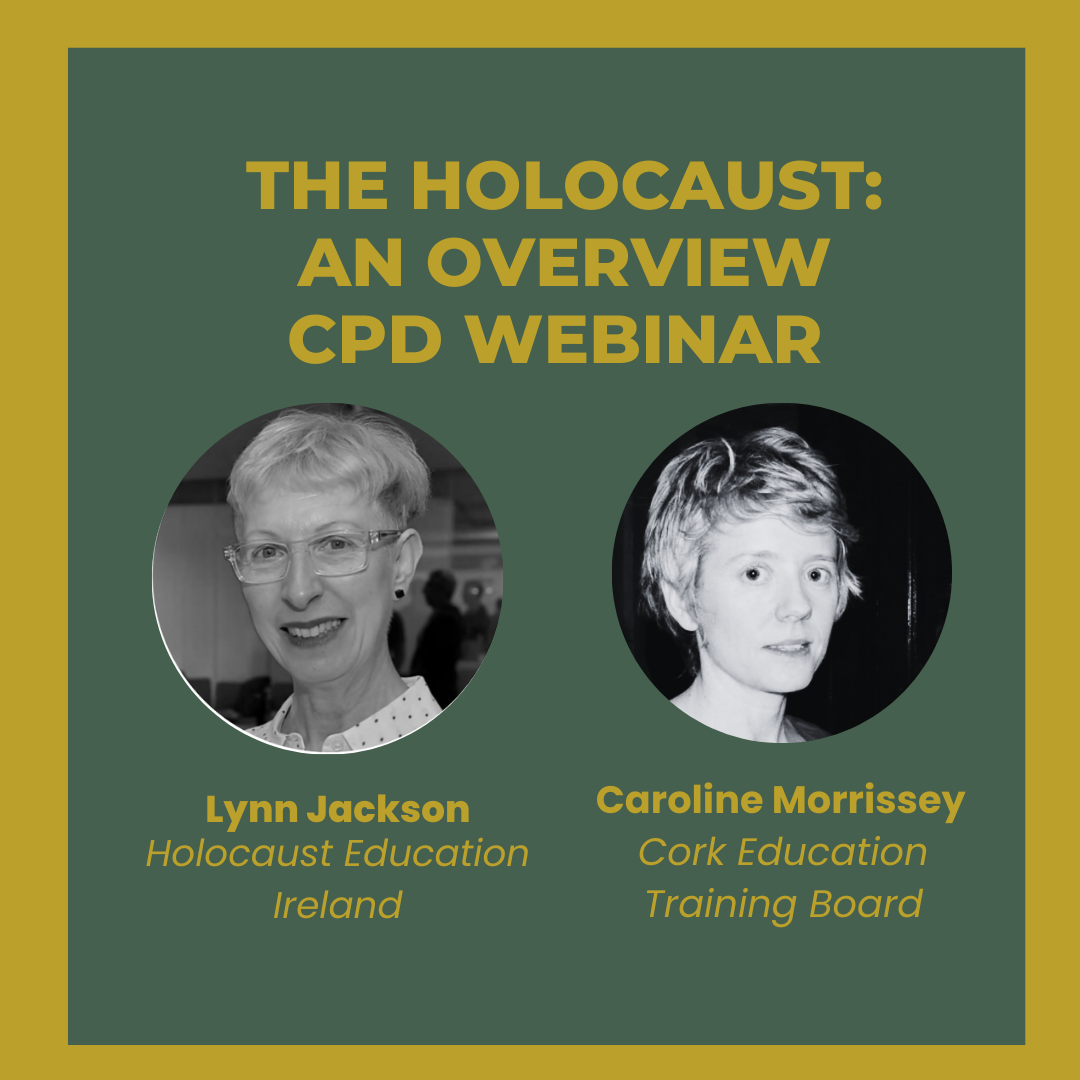
A 90-minute online presentation providing participants with an overview of the development of the Holocaust before, during and after the Second World War. It assists teachers who are approaching teaching about the Holocaust for the first time, or as a ‘refresher’ for teachers who are already familiar with it. ESCI certificate and Holocaust Education Ireland comprehensive resources and lesson plans, are included.
Living History
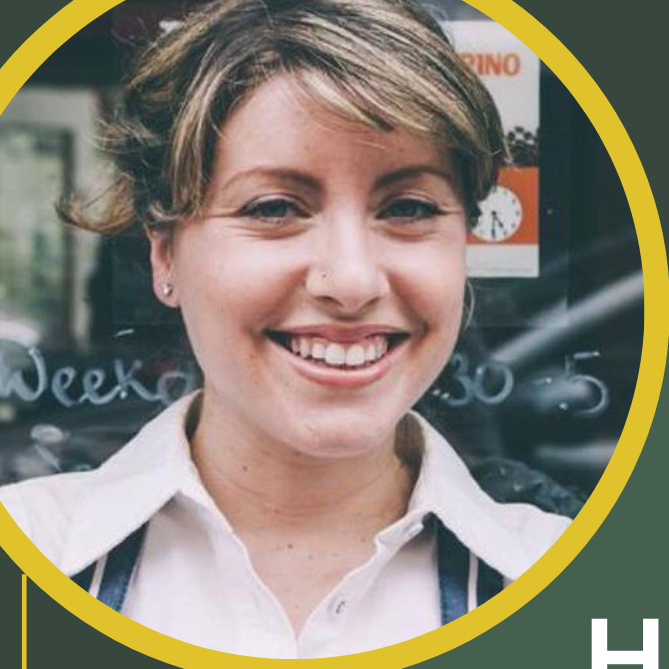
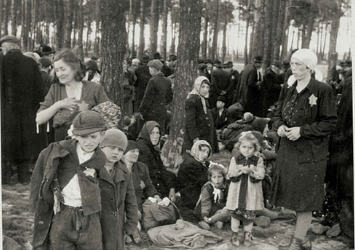
Living History is a programme designed for secondary school students in which second- and third-generation Holocaust survivors and people with connections to the Holocaust recount their families’ experiences and stories.
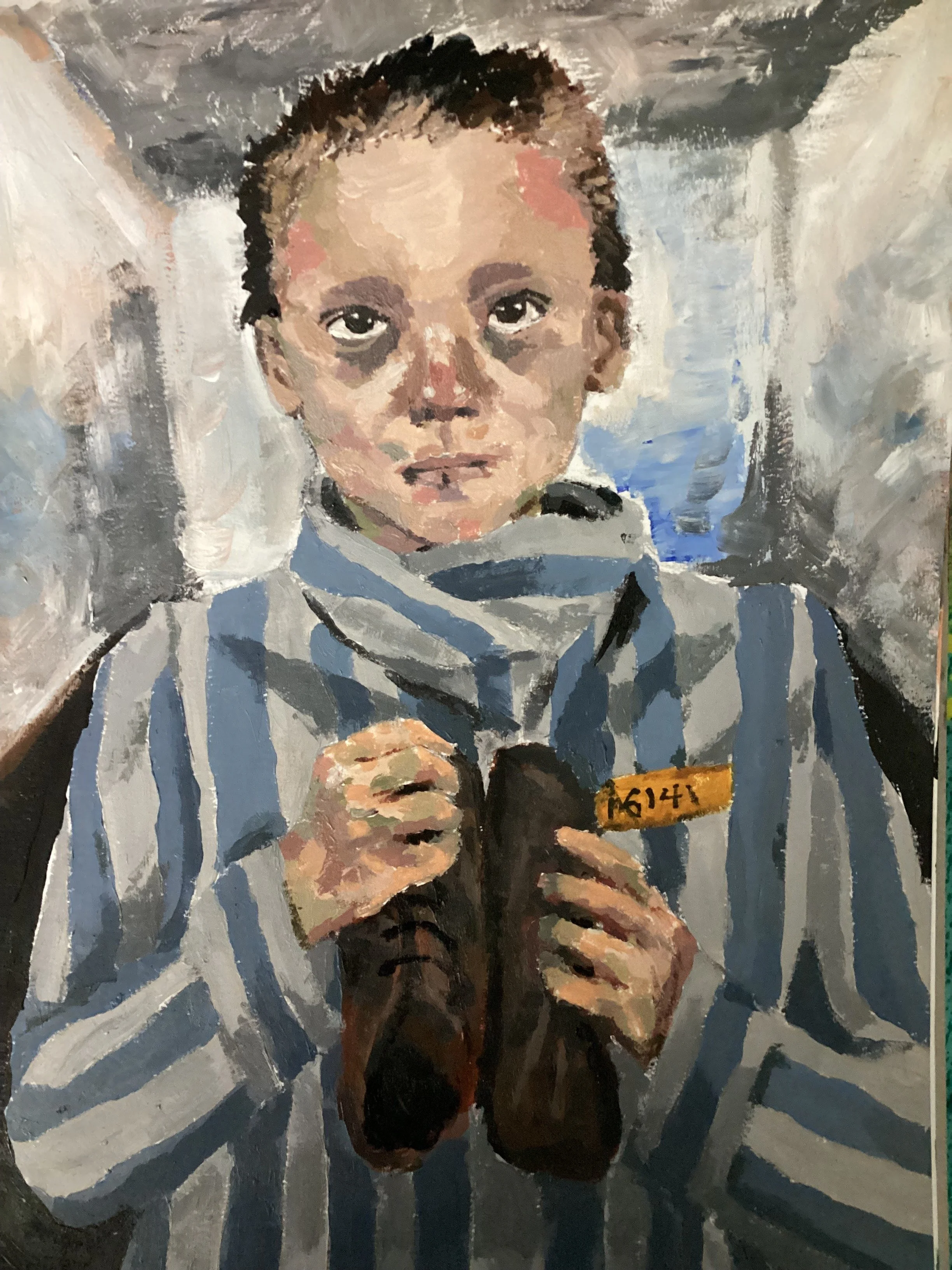
All first place prize winners of the Mary Elmes Prize in Holocaust Studies will be invited to be one of the Youth Readers at the National Holocaust Memorial Day Commemoration.
Mary Elmes Prize in Holocaust Studies
The Crocus Project
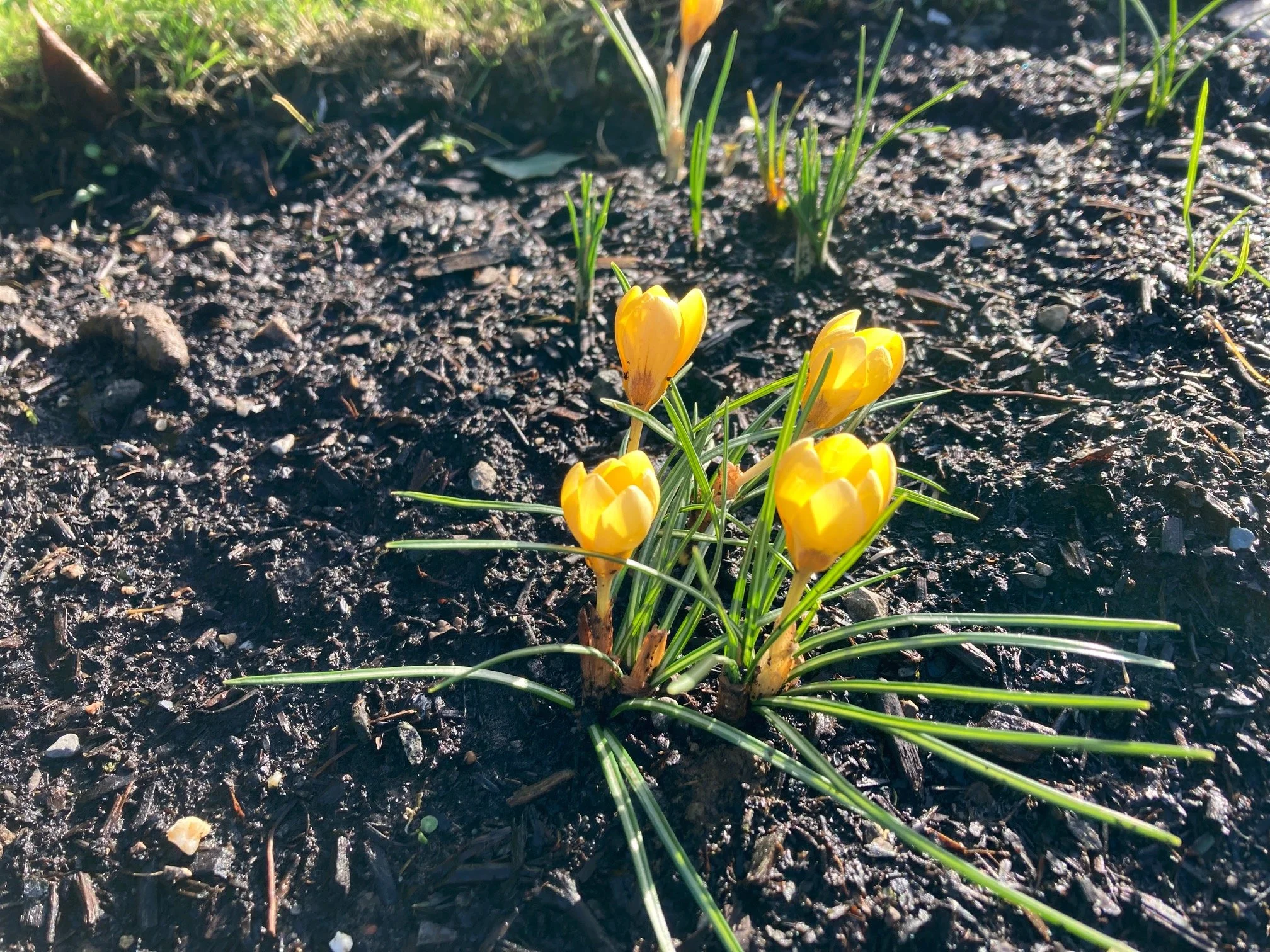
Holocaust Education Ireland supplies yellow crocus bulbs for young people aged ten years and over to plant in memory of the 1.5 million Jewish children who perished in the Holocaust and the thousands of other children who were victims of Nazi atrocities.
The Holocaust Narrative E-Learning Programme
This self directed in-depth e-learning programme provides teachers with the information, resources and lesson plans as well as topics for debate, discussion and research. Teachers who complete this self directed programme can receive the excellent pack.
Transition Year Module in Holocaust Studies
The TY module in Holocaust studies is tailored to the amount of time teachers have available as well as students, learning levels. It includes the opportunity to research and discuss the relevance of the holocaust for students today. teachers may have between 20-60 periods available for this programme in one school year and can adapt the content accordingly.
Our Resources
We offer a range of educational resources free of charge. Please email us at info@holocausteducationireland.org with your address and we will send post them to you.
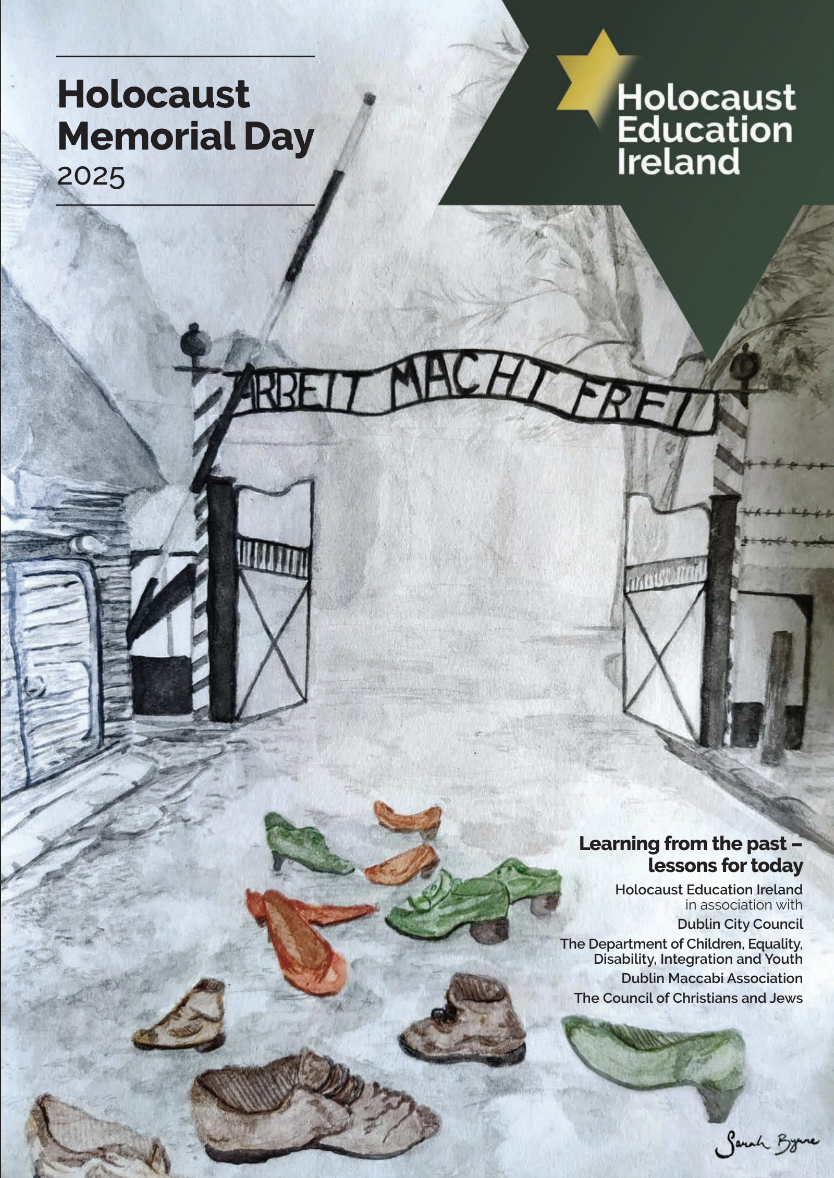
Holocaust Memorial Day Booklets
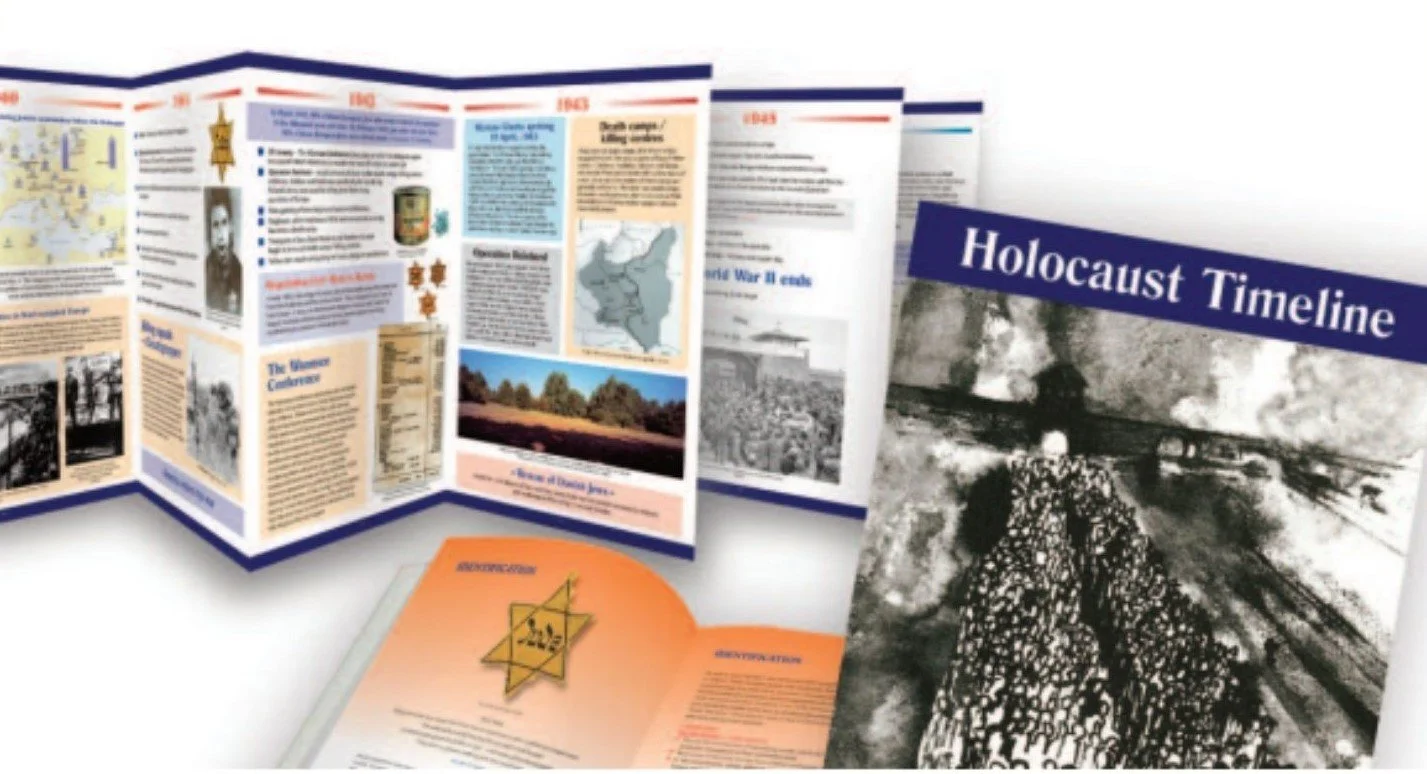
Holocaust Timeline Teacher’s Handbook
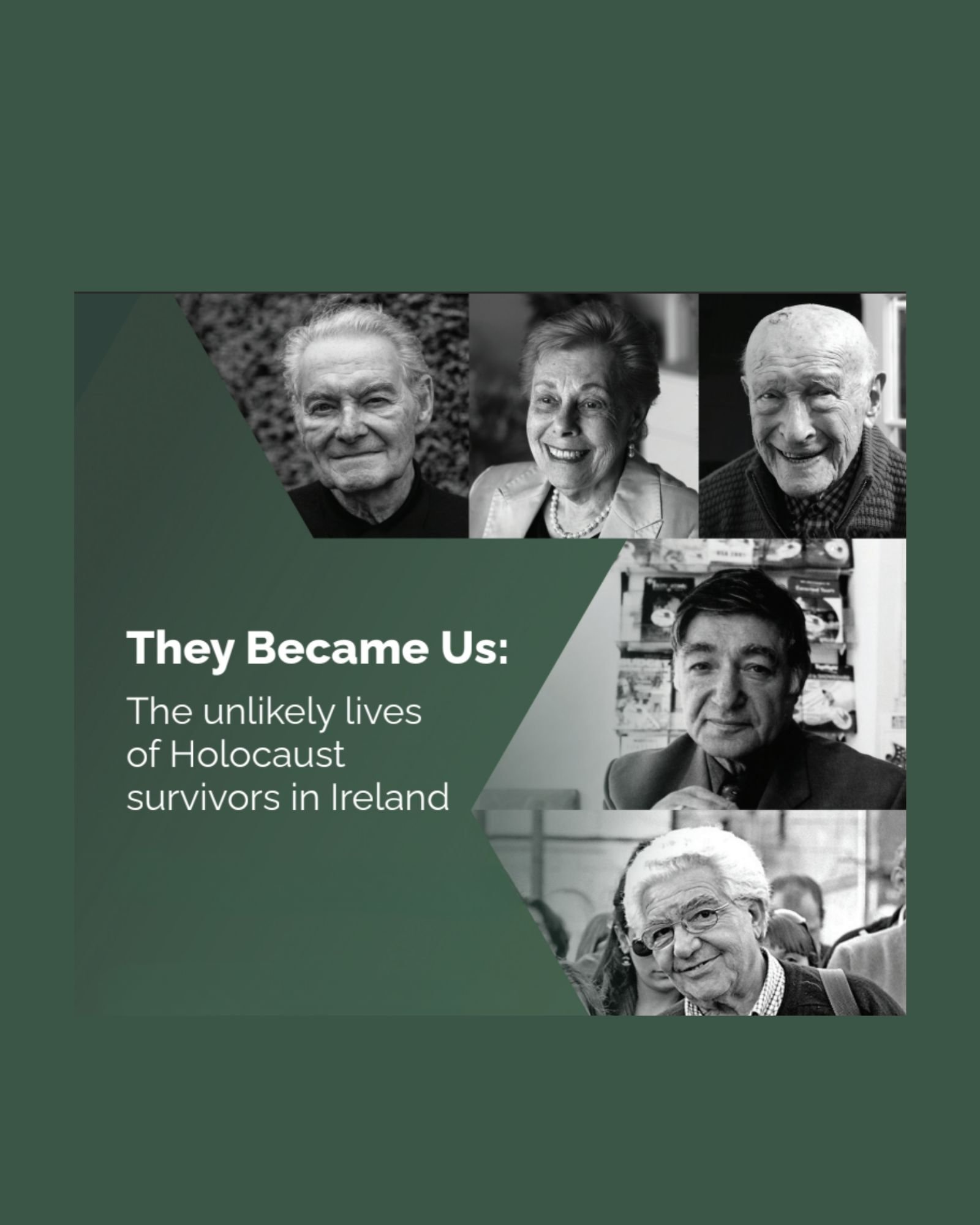
They became us: the unlikely lives of holocaust survivors in Ireland
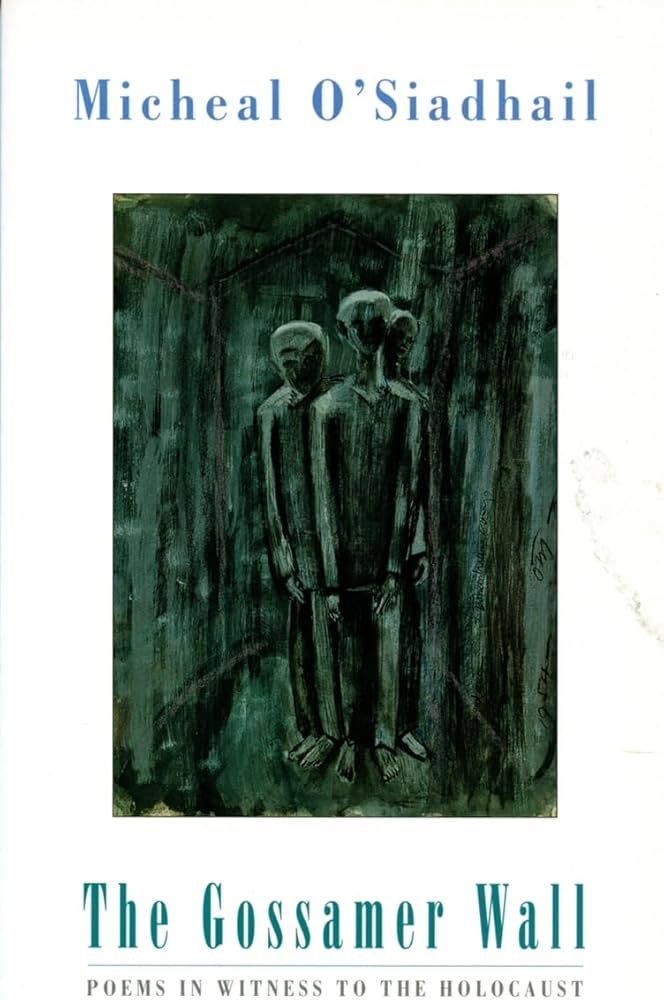
The Gossamer Wall, Micheal O’Siadhail
Feedback from Teachers
I would like to express my thanks again for the informative webinar last night on The Holocaust Narrative. It was very insightful and helpful.
— Sinéad Gaffney
I can genuinely say that the study visit to Kraków had and continues to have a profound impact on me.
- Eve Roche
Many thanks for a superb CPD. I found it so interesting. Thanks for answering all my questions and delivering a very informative CPD.
— Liz Broderick
The study visit to Berlin has changed the way I will teach the topic of the Holocaust. I’ve had to rethink my ideas and attitudes to what I thought I knew about this subject.
- Ethel Dooley
This year I decided to take part in The Crocus Project. My pack included a beautiful handbook and poster for display in the classroom. Our motto for these lessons was we look back to move forward