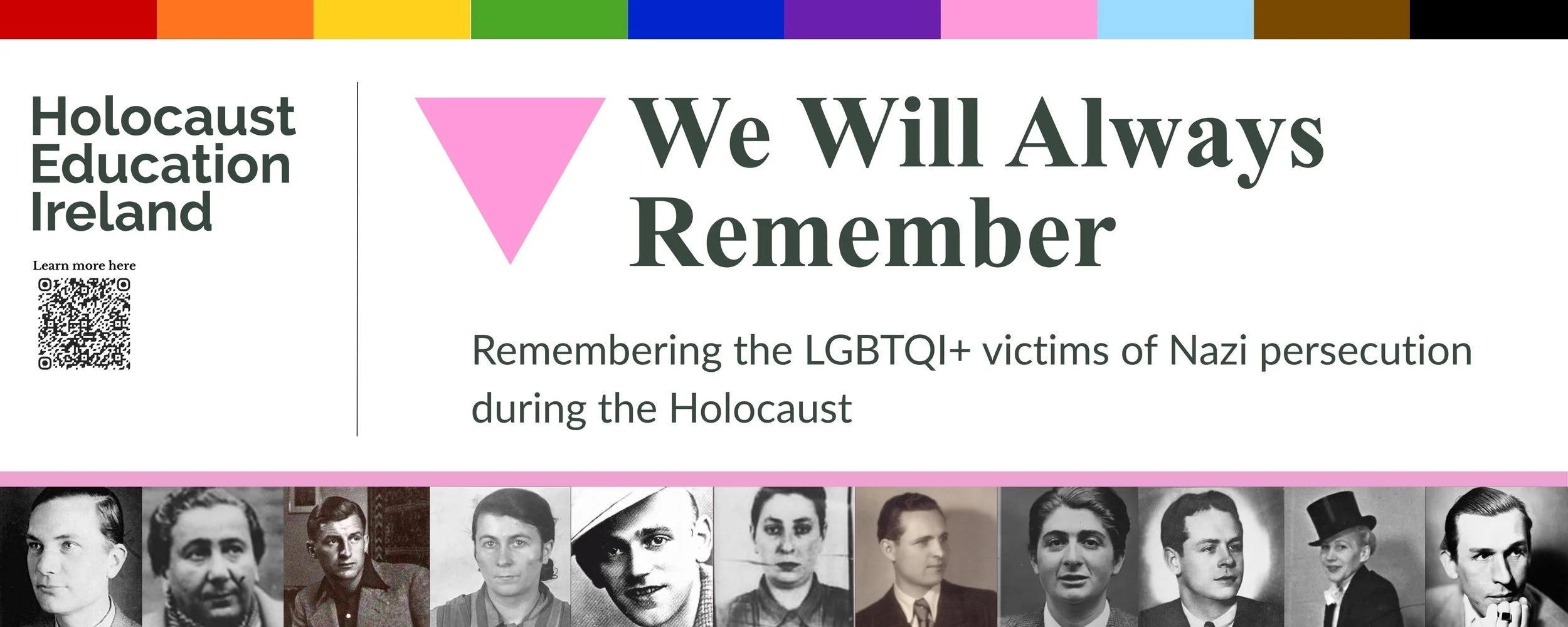
This Pride month, we remember the LGBTQI+ victims of Nazi persecution during the Holocaust. In the 1930's and 40's thousands of gay men were arrested, persecuted and many met their deaths in concentration camps. Lesbian relationships, though not formally criminalised under Nazi law, were systematically targeted and dismantled by the regime. Trans and non-binary individuals found themselves as targets of violence, stripped of their legal rights and, in many cases, forcibly de-transitioned. The Nazis shut down the gay bars, queer meeting places and publications that had once flourished, effectively destroying the social fabric for LGBTQI+ communities in Germany.
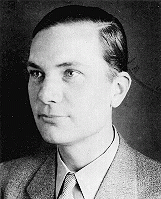
Friedrich-Paul von Groszheim
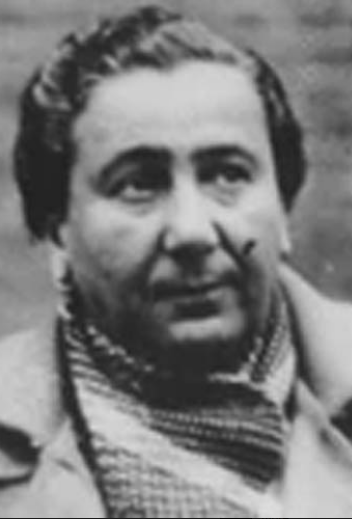
Friedrich-Paul von Groszheim was born in Lübeck, Germany, and trained as a merchant. In 1937, he was among 230 men arrested under Paragraph 175, which criminalised sexual relations between men. He was imprisoned for ten months, then re-arrested in 1938, tortured and released only on the condition that he submit to castration. In 1940 he was deemed unfit for military service. In 1943 he was arrested again as a political prisoner and sent to Neuengamme concentration camp. He survived the war and settled in Hamburg. His story is one of the most harrowing accounts of Nazi persecution of gay men.
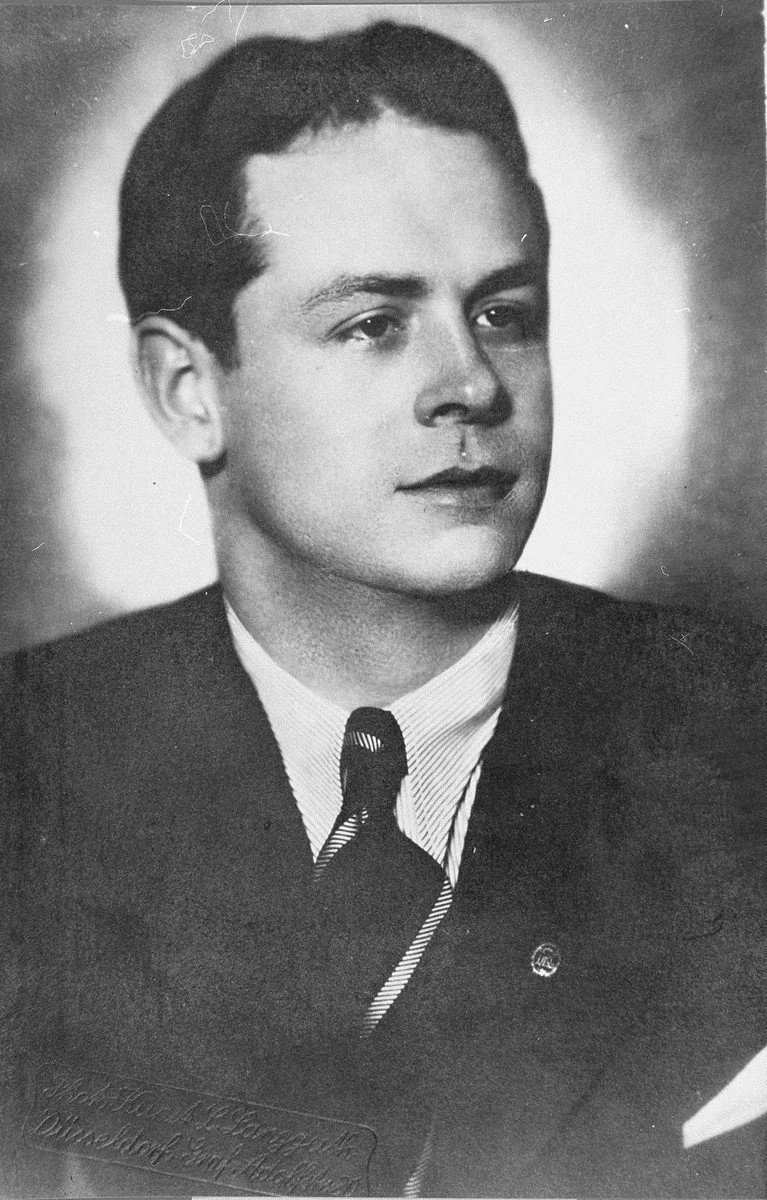
An interior designer from Düsseldorf was arrested and charged under Paragraph 175, which criminalised homosexual relations between men under the Nazi regime. He was imprisoned for 18 months. Beyond his profession and the city in which he lived, his name and the full details of his experience were not recorded, leaving him among the many victims of Nazi persecution whose stories remain largely unknown.
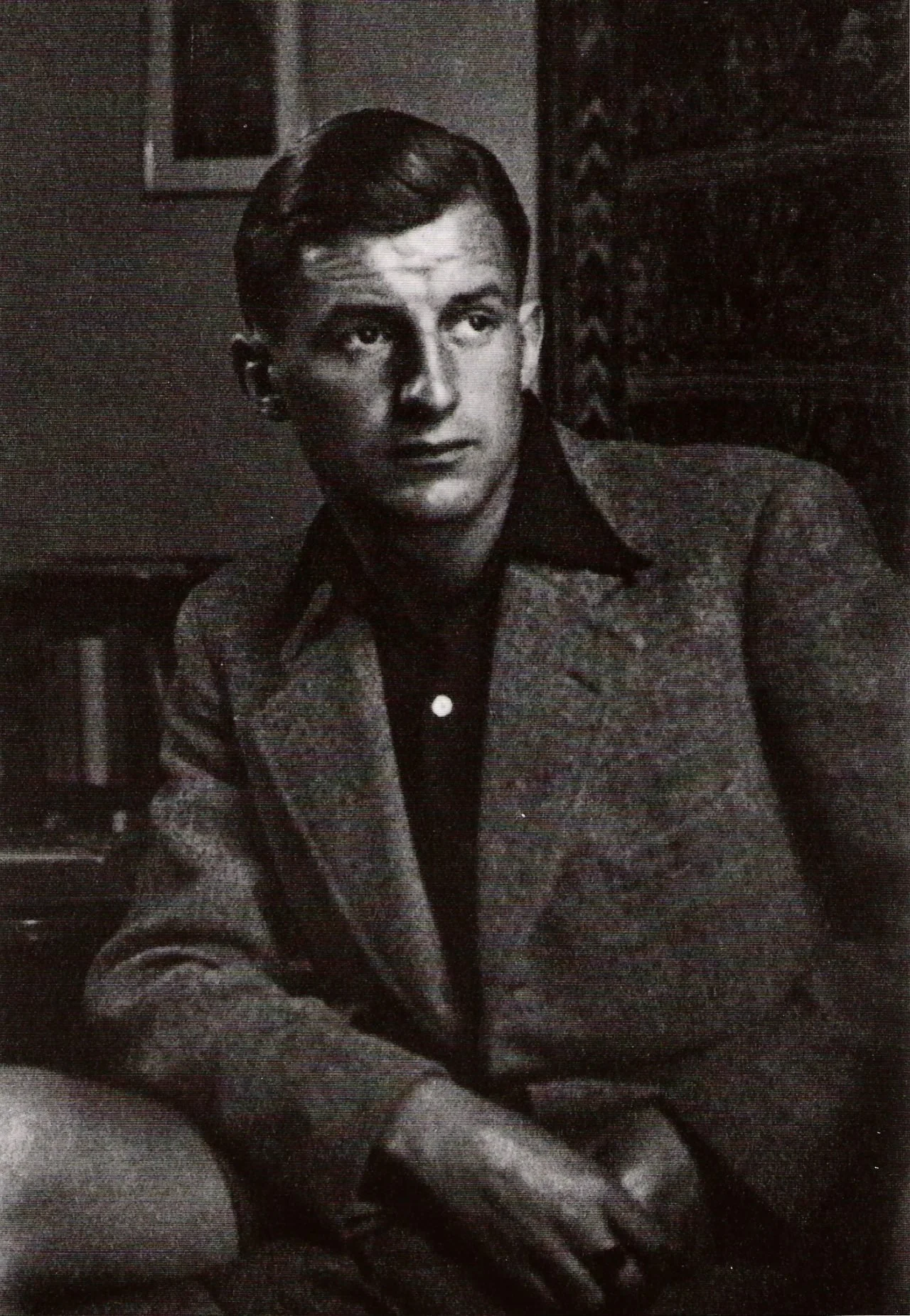
Albrecht Becker
Albrecht Becker was an actor and film production designer who lived openly as a gay man in Würzburg, Bavaria. Despite homosexuality being criminalised under Paragraph 175, enforcement in the early years of Nazi rule was inconsistent. Following a crackdown by the regime, Becker was arrested, beaten and put on trial. He was sentenced to three years in Nuremberg Prison. Towards the end of the war, as the German army sought additional soldiers, he was released and sent to the Russian front, one of the most devastating postings of the conflict. He survived and returned to working in the film industry. He shared his testimony with the USC Shoah Foundation in 1997, aged 91, and died in 2002.
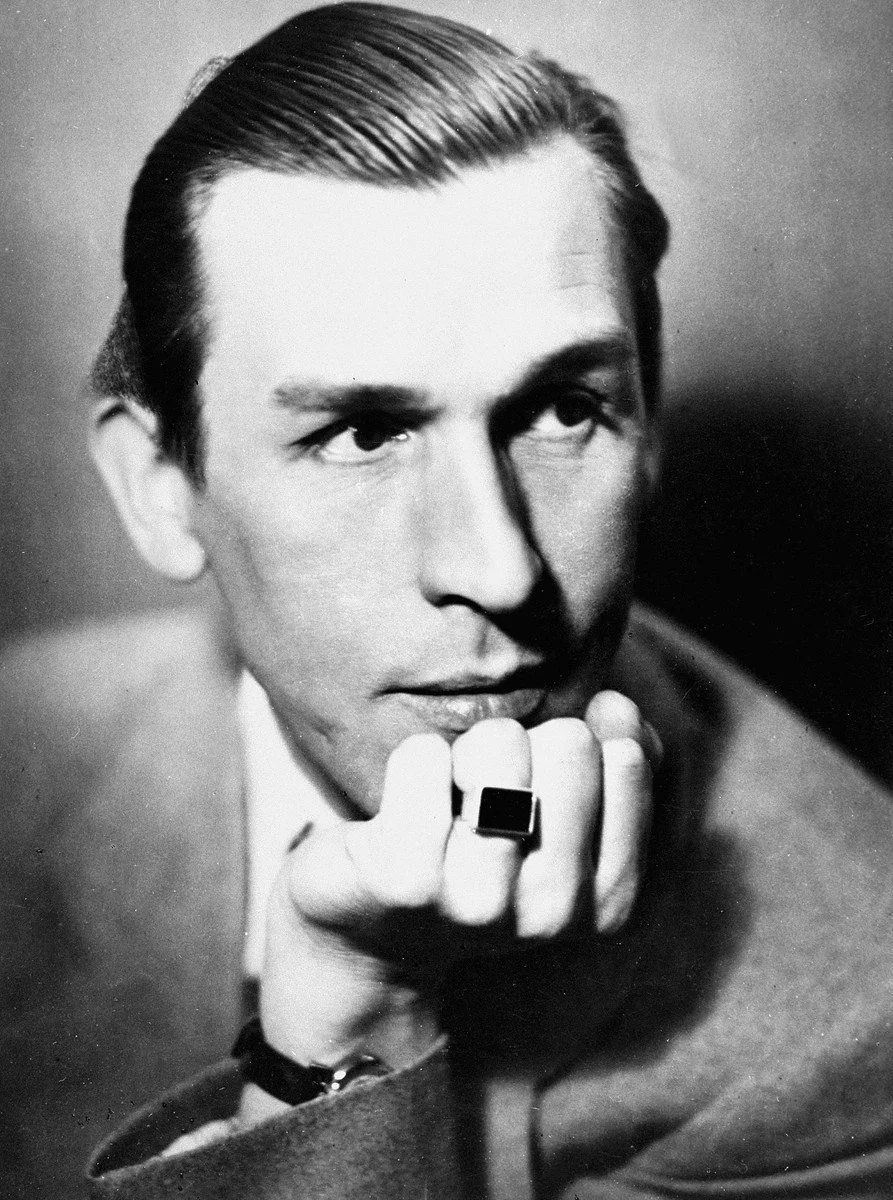
Robert T. Odeman
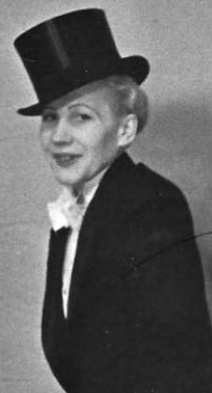
Robert T. Odeman was an author and actor based in Berlin. In 1937 he was arrested and imprisoned for 27 months under Paragraph 175, which criminalised homosexual relations between men under the Nazi regime. In 1942 he was deported to Sachsenhausen concentration camp, where he was held for a further three years. His case reflects the escalating persecution of gay men under National Socialism, moving from criminal imprisonment to incarceration in the concentration camp system. The full details of his life before and after his imprisonment remain largely undocumented.
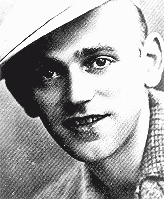
Harry Pauly
Harry Pauly grew up in Berlin, where he developed a passion for theatre and began acting in minor roles from the age of 15. When the Nazis came to power they closed the gay bars, and violence against gay men intensified. In 1936 Harry was arrested under Paragraph 175 and imprisoned at a camp in Neusustrum, where he was forced to work in the marshes for 12 hours a day. He was released after 15 months. In 1943 he was denounced to the Gestapo and sentenced under Paragraph 175 for a second time, serving eight months before contacts in the theatre secured his release. He was then conscripted into the army, where his conviction was widely known. He deserted twice and was subsequently assigned to a punishment combat unit in which almost all soldiers perished. He survived and after the war established his own theatre company.
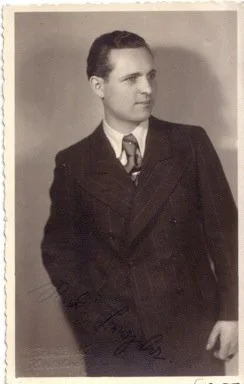
Rudolf Brazda
Rudolf Brazda was born in 1913 in Brossen, Germany, to Czech parents. He lived openly as a gay man and was first arrested in 1937 under Paragraph 175, serving a six-month sentence. He was arrested a second time in 1941 and in April 1942 was deported to Buchenwald concentration camp, where he was forced to wear the pink triangle designating him as a homosexual prisoner. A kapo helped him escape before a death march to another camp in 1945. After the war, Brazda settled in southern France, where he lived quietly for decades. He did not speak publicly about his experiences until 2008, following the unveiling of the Berlin memorial to homosexual victims of Nazism. He died in 2011, aged 98, and is widely recognised as one of the last known survivors to have worn the pink triangle.
Lesbian under the Nazi regime.
Although lesbian relationships were not formally criminalised under Nazi law in the same way as homosexual relations between men, lesbian communities were systematically targeted and dismantled by the regime. The Nazis shut down the gay nightclubs, meeting places and publications that had flourished during the more tolerant years of the Weimar Republic (1918–1933), effectively destroying the social fabric of lesbian life in Germany. Many lesbian women were persecuted not solely on the grounds of their sexuality, but as members of other groups targeted by the Nazis, including Jewish women, Romani women and political opponents of the regime.
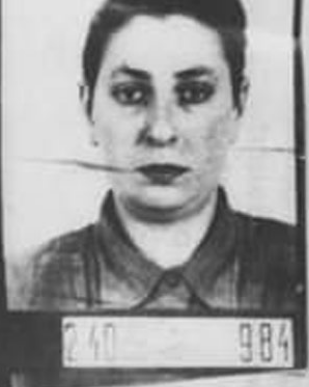
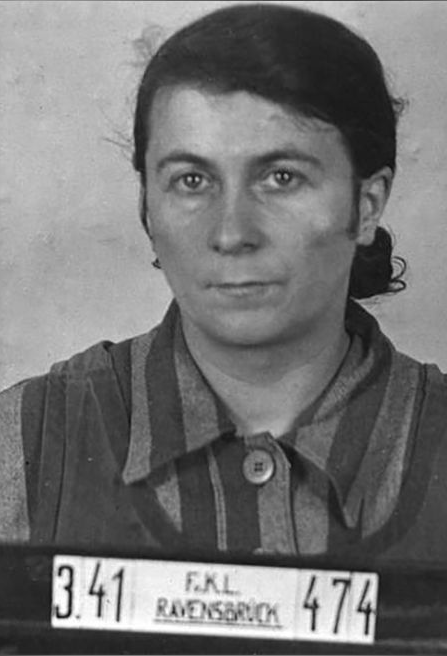
The cases of Elli Smula and Margarete Rosenberg illustrate the dangers faced by lesbian women during this period. Both were denounced to the Gestapo by co-workers and officially charged with "subversion," though their arrest records identified them explicitly as lesbians. In 1940 they were deported to Ravensbrück concentration camp. Margarete Rosenberg survived both Ravensbrück and Buchenwald, and lived until 1985. Elli Smula was murdered at Ravensbrück in July 1943. Their stories represent the experiences of countless women whose persecution has been under-documented in the historical record.